
A Complete Defect Card Tier List for Beginners (Good Enough to Win 100 Runs in a Row)
Recommended for readers like you ▼
You can’t seem to win with Defect!
You want me to just tell you the strong cards quickly.
To celebrate 100 consecutive wins with Defect, I decided to write detailed card explanations.

This article is a complete card tier list and card explanation collection for the Slay the Spire playable character “Defect”.
Regardless of what archetype you’re building, it includes a generally strong and beginner-friendly card ranking (Tier).
All card evaluations listed here are intended for beginners playing on normal mode (Ascension 0).
You can win 100 times in a row on A0 (see this article), but if you are walking the path of pain—Ascension 20 (the highest difficulty)—this guide will likely feel insufficient.
Thank you for your understanding.
Card Tier List Table
How to read the tier list ▼
Tier S: God-tier. Pick it instantly if you see it.
Tier A: Works well with any deck. Highly recommended.
Tier B: Has a place in any deck, or shines in certain archetypes.
Tier C: Very quirky. Pick only for specific decks.
Tier D–G: Only usable in limited situations.
*The tiers reflect the latest update (Happy Holidays!).*
Card Explanations by Tier
Detailed explanations for each tier in the card ranking.
*Terminology*
・UG: Upgrade
・AoE: Area-of-Effect (hits all enemies)
・A0: Normal mode (no Ascension)
・A20: High-difficulty mode (max Ascension)
・For details on each archetype, check Defect’s Standard Deck Archetypes Guide.
Tier S
Seek
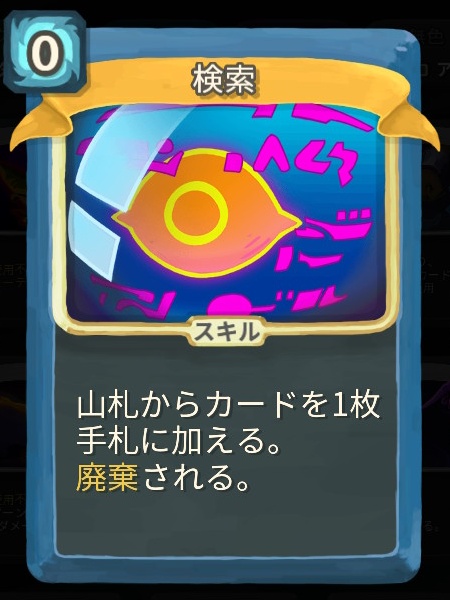
It lets you fetch the exact card you need quickly.
For Defect—whose decks often start slowly and tend to grow in size—this is an insanely strong card.
If you upgrade it and bottle it (Bottled Lightning), you can act freely from turn 1. Love that.

High upgrade priority. 0-cost draw 2 of your choice. Super strong.
Reboot
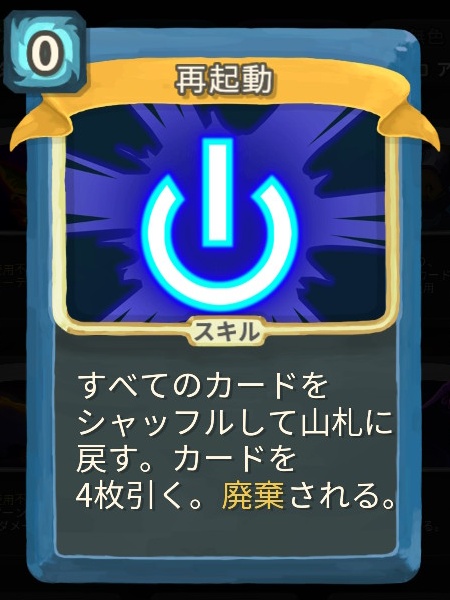
After upgrading, 0-cost draw 6 is godlike.
Defect has many ways to generate energy and many 0-cost cards, so this can shine in any deck.
High upgrade priority.
Tier A+
Self Repair
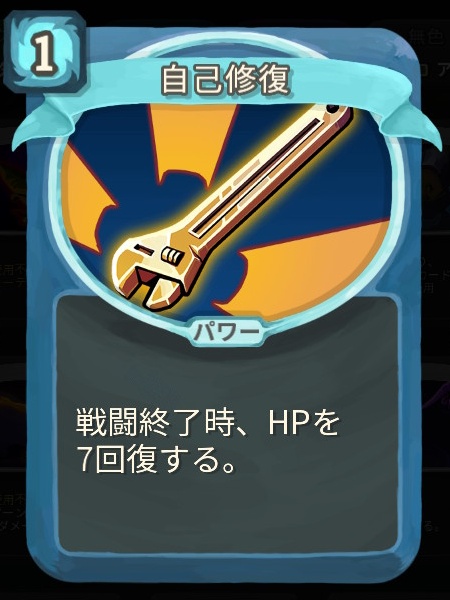
A precious healing card. Great insurance against bad draws.
If you stack Echo Form (double the next card’s effect), it becomes 1 energy for 14 HP heal; upgraded, 20 HP heal.
With this, you can dominate with a Lightning deck built around Static Discharge.
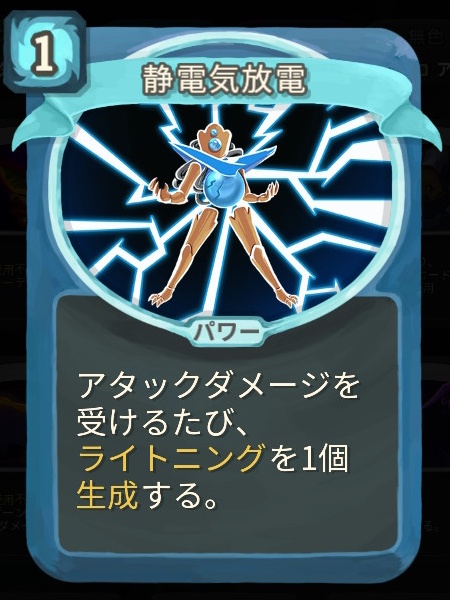
Low upgrade priority. But definitely check out the beta art.
Side note: I tried recreating Defect’s beta art with a plushie
Echo Form
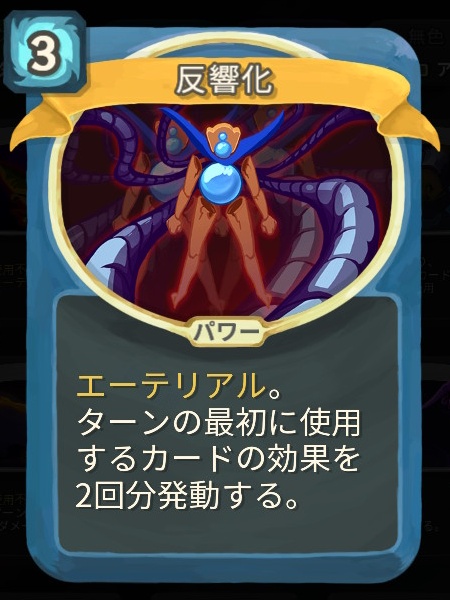
A busted card that often means “win the run” if you can play it—though it’s expensive.
Even in a deck that feels hopeless, picking this one card can let you cruise to victory.
Upgrade priority: medium.
If you already have strong energy generation (boss relics or Turbo) or Self Repair, then lower.
Hologram

You can block while retrieving a card from your discard pile. Excellent.
Great for recurring cards like Claw / Reprogram, or grabbing finishers like Multi-Cast.
In an All for One deck, you can even make easy infinite combos with Madness. The dream.
High upgrade priority—without upgrading, it’s awkward to use.
Boot Sequence

This card exists for Defect, the slow starter.
Because it Exhausts, it won’t clog your hand. Just having one makes turn 1 feel way safer.
Equilibrium
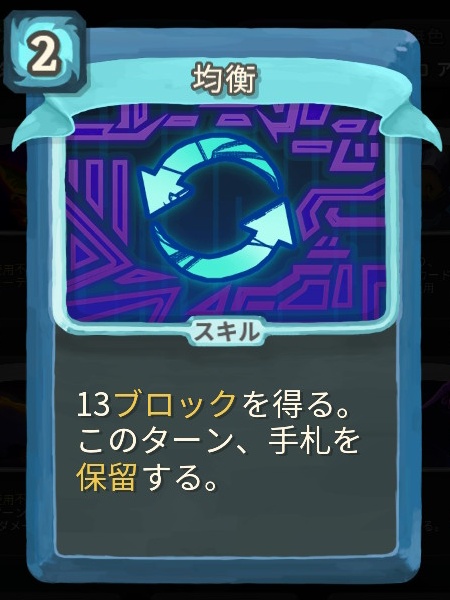
This card grants “Retain”—you carry your end-of-turn hand into the next turn.
It’s great to retain energy cards (like Turbo).
You can also retain Multi-Cast and pop a Dark orb after one extra growth turn.
Or retain All for One to set up more discard shenanigans.
A lovely card that lets you act freely next turn.
Upgrade priority is low: you care about the Retain effect, not a bit more block.
Go for the Eyes
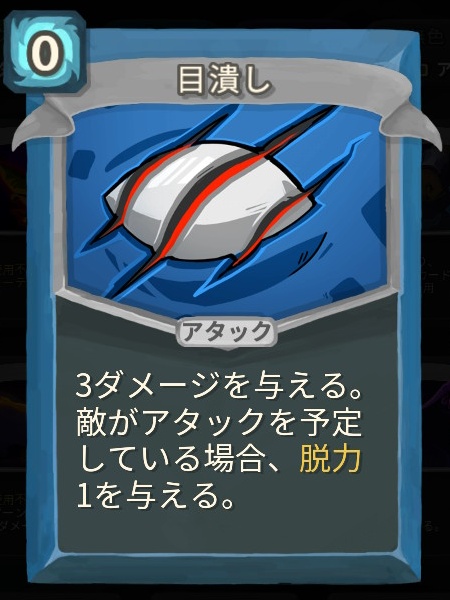
Weak is strong—on any character. This card can contribute from early game all the way to the final boss.
It does have the condition “only if the enemy intends to attack,” but enemies that aren’t attacking aren’t scary.
High upgrade priority.
Darkness
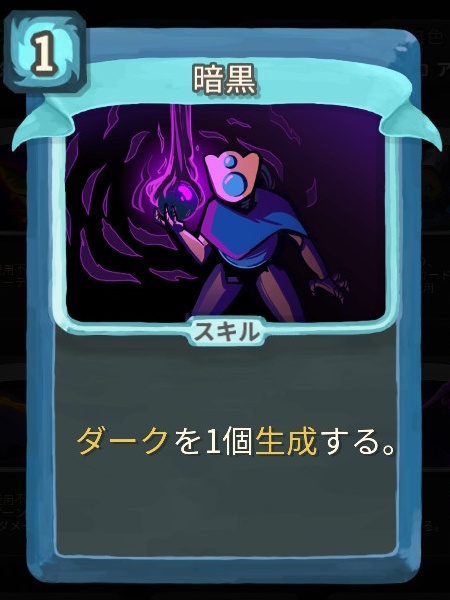
If you ask what Defect’s “main weapon” is—this is it.
It also works as a backup weapon when you’re just a little short on finishing power.
Defect is great at blocking but often lacks direct attack options.
Dark-orb decks combine naturally with blocking, letting you play safe and steady.
High upgrade priority. Grow Dark orbs quickly.
Multi-Cast
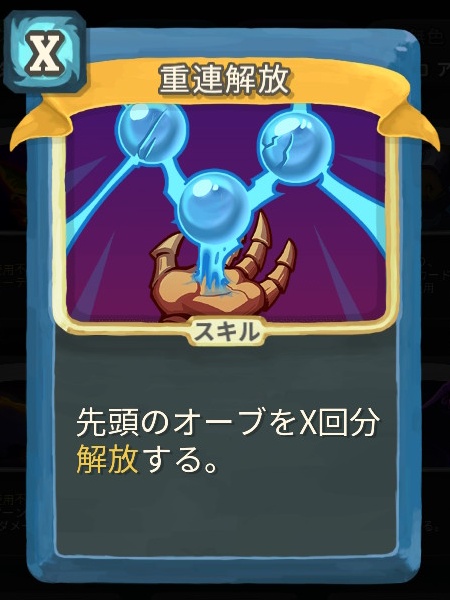
A finisher for orb decks—especially strong in Dark-based builds.
Even without Focus, this one card can still provide enough damage. It’ll do. Somehow.
Upgrade priority: medium.
Tier A
Skim
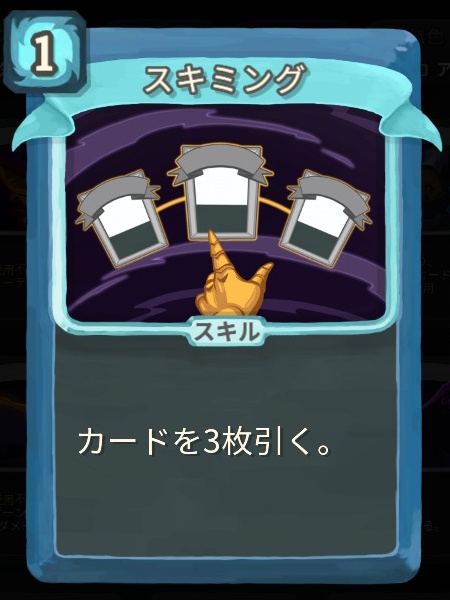
A great draw card. If you can pick just one solid draw card, this alone is often enough.
Upgrade priority is high.
Coolheaded

A key card for Frost-based decks.
Even in decks that lose Focus (e.g., Hyperbeam builds), it’s still usable as a “draw 2” card, so it rarely becomes dead weight.
Upgrade priority is high. Unupgraded, it’s a sad “2 block + 1 draw” card.
It’s strong because it draws 2.
Charge Battery

Effectively 0-cost 7 block (10 when upgraded). Very strong.
It reduces damage with block while expanding your options next turn.
Upgrade priority is low. If you’re short on block cards, then medium.
Machine Learning
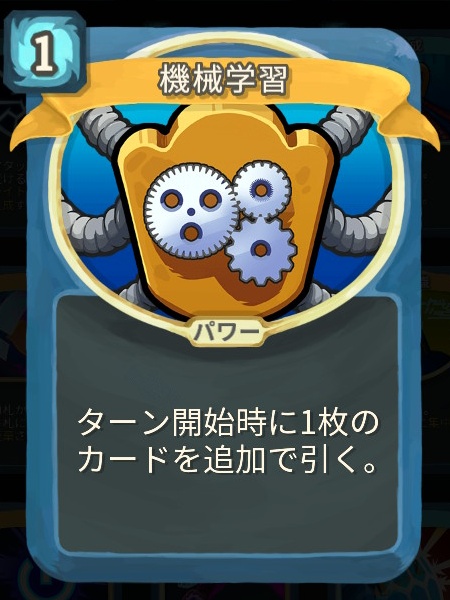
A card that prevents “bad-hand accidents.” Drawing every turn increases consistency.
Upgrade priority is low. If you can reliably block on turn 1, then medium.
Biased Cognition
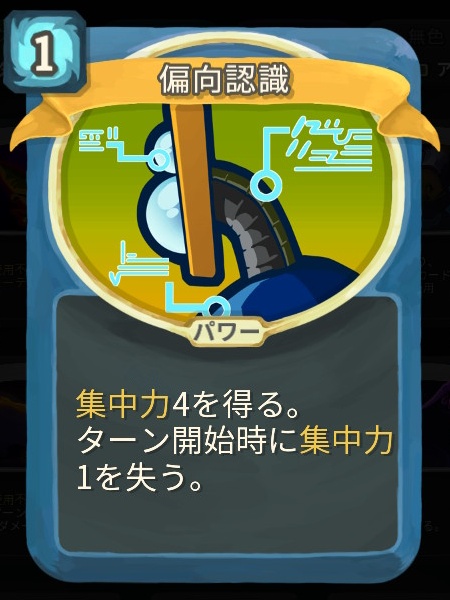
An excellent “keep-the-turn-going” finisher. Also great for clearing hallway fights.
If you use “Artifact” (debuff negation) from sources like Panacea and then play Biased Cognition, you can go wild without the downside.

Upgrade priority: medium to high.
Reinforced Body

At 3 energy, it can generate 21 block—enough to soak big hits. Always saving me.
A great card that works both in orb-focused decks and in Focus-down decks.
I often pick around two cards from the “Tier A block series.”
Tier B+
Reprogram

One of the cards that got absurdly strong in the latest update (Happy Holidays!) (according to the author). When upgraded, it gives +2 Strength and +2 Dexterity.
It turns starting cards like “Strike” and “Defend” into front-line cards, making your deck easy to build.
If this shows up in Act 1, I often abandon orbs entirely.
Upgrade priority is the highest. It’s unusable without upgrading. For a while after picking it, you may still fight with orbs on the way.
Turbo

Easy energy generation, part 1.
If you have the “retain” card Equilibrium or All for One, your deck starts spinning like crazy.

After sprinting at full speed… and then going empty… it’s kind of adorable.
Aggregate
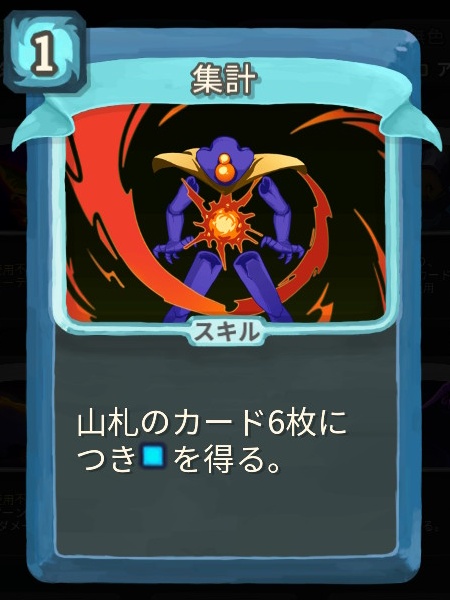
Easy energy generation, part 2. Another “got crazy strong in Happy Holidays!” card (according to the author).
When upgraded, you gain 1 energy per 3 cards in your draw pile. Defect can manipulate draw pile size fairly well, so it has many chances to shine.
Upgrade priority: medium. If you have lots of draw cards, then lower.
Beam Cell
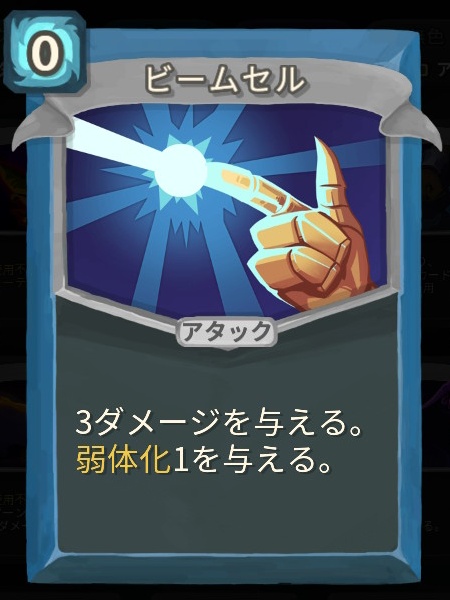
A strong card that stabilizes Act 1 through early Act 2.
In orb-heavy decks it often becomes baggage later, but it can still find roles like:
– stripping Artifact (debuff negation),
– adjusting counts against Time Eater,
and more.
Upgrade priority is high if attacks are your main plan; lower if you’re orb-focused.
Dualcast
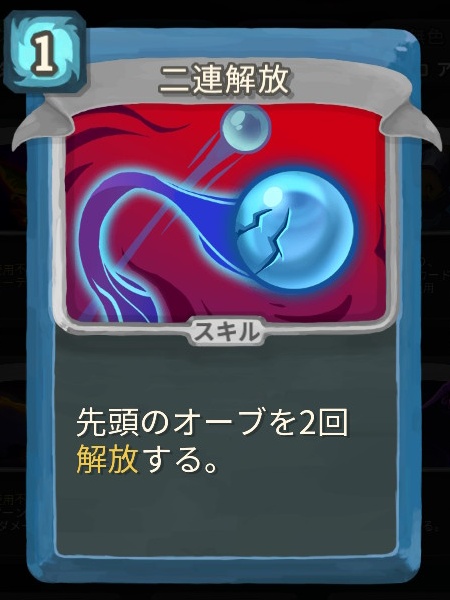
A starter card. Your main damage source in Act 1.
If your deck direction isn’t decided yet, upgrading this at the first campfire makes the run much easier.
In orb-focused decks, it can stay front-line all the way to the final boss. High upgrade priority.
Ball Lightning
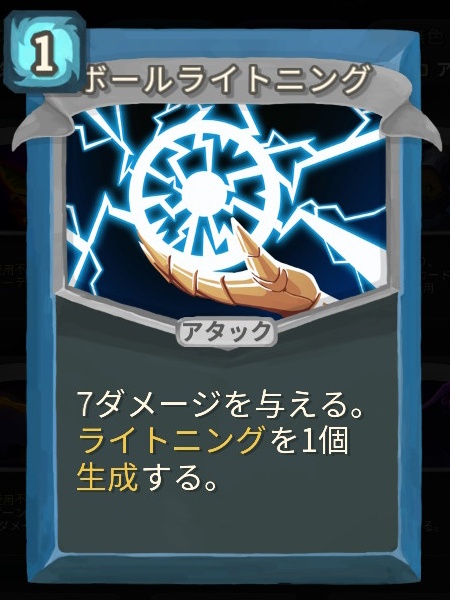
An upgraded version of the starter card “Zap.”
Even without upgrading, combined with the orb it’s effectively “1 energy: 10 damage + 3 ongoing damage,” which is decent—so if you can’t find a direction in Act 1, you can just pick it as a safe option.
Upgrade priority is low.
Tier B+
Reprogram
One of the cards that became insanely powerful after the latest update (Happy Holidays!) (according to the author). When upgraded, it gives you +2 Strength and +2 Dexterity.
Because it can turn starter cards like Strike and Defend into real frontline cards, it makes deckbuilding much easier.
If you get this in Act 1, you’ll often end up abandoning orbs.
Upgrade priority is the highest. It’s basically unusable without upgrading. While you’re on your way to upgrading it, you may still fight using orbs for a while.
Turbo
Easy energy card #1.
If you have the Equilibrium (Retain) card mentioned above, or All for One, your deck can run insanely smoothly.
It’s kind of cute how you go “full speed” and then end up Empty.
Aggregate
Easy energy card #2. Another card that became ridiculously strong after the latest update (Happy Holidays!) (according to the author).
When upgraded, you gain 1 energy for every 3 cards in your draw pile. Since Defect can adjust draw pile size relatively easily, it often has many chances to shine.
Upgrade priority is average. If you have lots of draw cards, it becomes lower.
Beam Cell
A great card that stabilizes Act 1 through early Act 2.
In orb-centric decks it often becomes baggage later, but it can still find roles such as “Artifact stripping” or “adjusting Time Eater’s turn counter.”
Upgrade priority is high if you’re attack-focused; low if you’re orb-focused.
Dualcast
Starter card. Your main damage source in Act 1. If you haven’t decided your deck direction, upgrading this at your first campfire makes the path ahead much easier.
In orb-centric decks, it can stay a top-tier card all the way to the final boss. Upgrade priority is high.
Ball Lightning
A strict upgrade over the starter card Zap.
Even unupgraded, combined with the orb it’s roughly “1 cost, 10 damage, plus 3 ongoing damage,” which is quite strong. If you can’t find your direction in Act 1, you can just pick it for now.
Upgrade priority is low.
Glacier
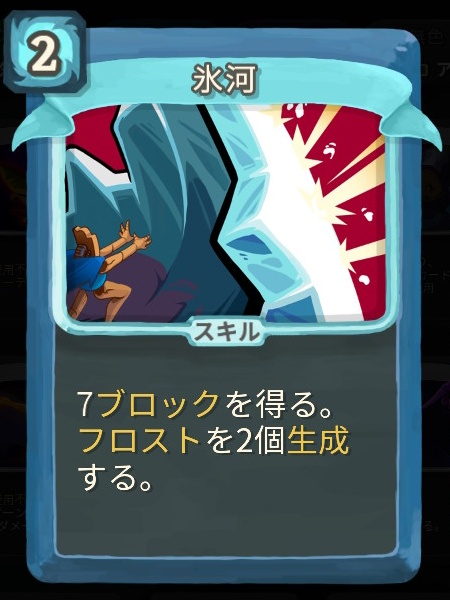
Unupgraded it’s 2 cost for 11 Block plus 4 passive Block (from Frost). The cost is heavy, but if you’re orb-focused, the pick priority is high. If you’re on a Dark plan, you also take it.
Upgrade priority is low. The strength is “generate 2 Frost while protecting yourself”; it’s not a card that single-handedly covers all your Block needs.
Claw

The author loves this.
If you just pick one, it can act as a sub-weapon when you’re thinking, “I have enough Block, but I’m lacking damage—what do I do!?”
If you pick 3 or more, it can become a main weapon too. An “airbag” kind of attack card.
Thunder Strike
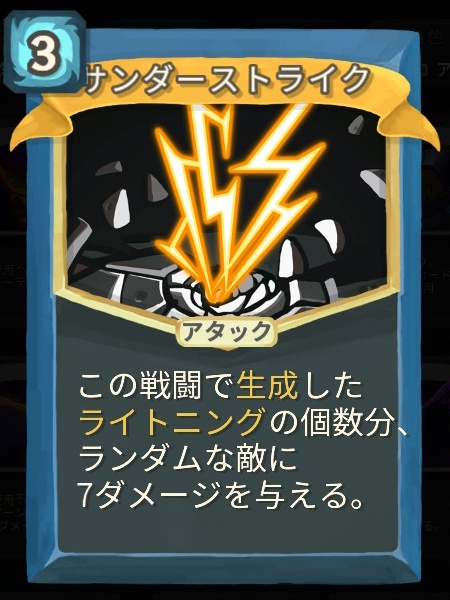
A finisher for Lightning decks. If you find this by mid Act 2, you pick it and aim for a Lightning deck.
Defect has many ways to generate Lightning, so it’s relatively easy to make this card shine.
Upgrade priority is high.
Compile Driver
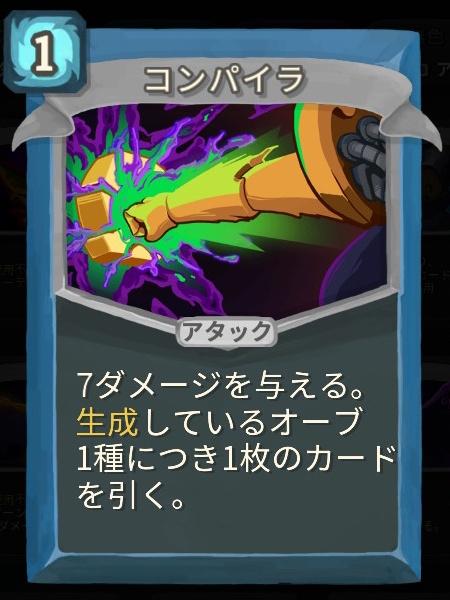
Draw sibling in Tier B, #1. Up to 4 draw for 1 energy.
If you don’t have Tier S–A draw cards, you pick this proactively.
Upgrade priority is low. Its job is simply to draw.
Overclock
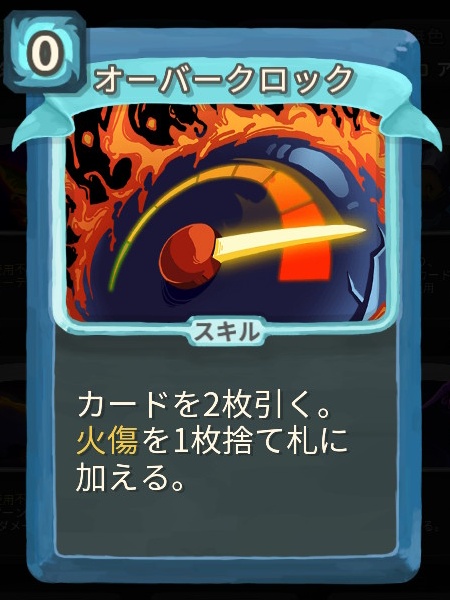
Draw sibling in Tier B, #2. It boosts your deck’s startup power.
Upgrade priority is high. Slightly higher tier than Compile Driver.
Chill
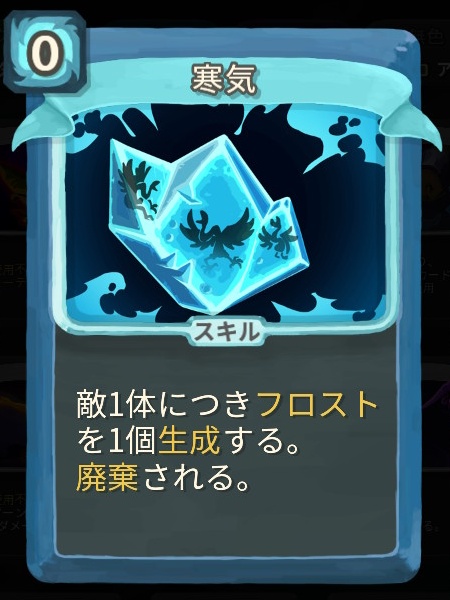
If you’re Frost-focused, this is Tier S.
If there’s only one enemy, it becomes a weak “0 cost 2 Block” card. In that case, Boot Sequence is better.
If you think you won’t be able to draw Block on turn 1, you sometimes pick the upgraded version of this card.
Upgrade priority is high in Frost decks; otherwise average.
Rebound
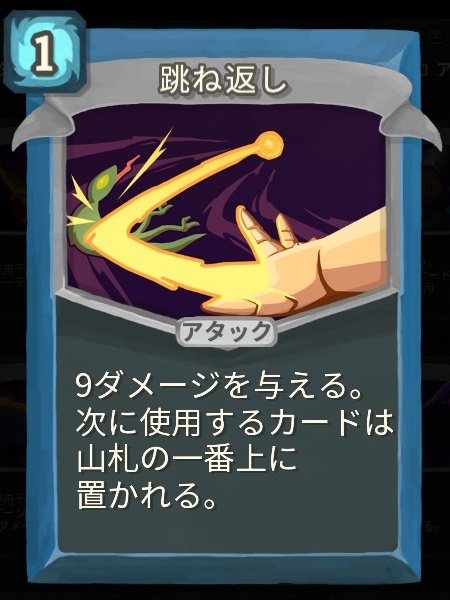
If you have cards that get stronger by repeated use—like Consume or Claw—you pick this proactively.
Upgrade priority is low. The effect is what matters; you don’t need the damage.
Bullseye

An orb-damage amplifier. It shines when you have enough Block but lack damage—a “behind-the-scenes MVP.”
Upgrade priority is average; slightly higher in Lightning or Dark decks.
Tier B
Melter
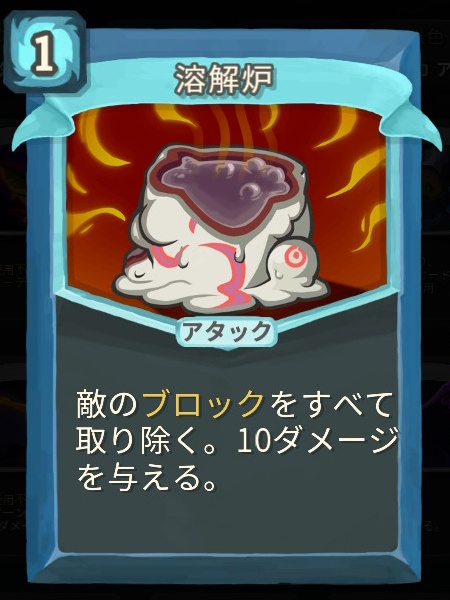
Behind-the-scenes MVP #2.
When Defect runs into the common situation of “I have Block, but my damage is low!”, this can serve as a sub-weapon. In Act 1, you can even take it pretty casually.
When the Act 2 enemy “Shelled Parasite” (the one that can get tons of Block) shows up, you’ll want to do a little happy dance.
Upgrade priority is low.
Auto-Shields
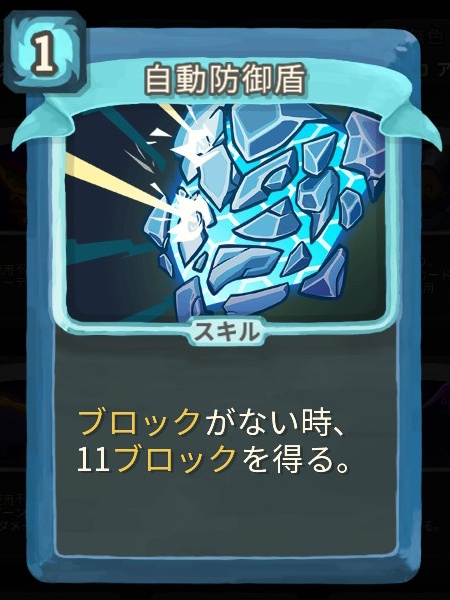
Its Block value is high, so it’s very useful.
However, it has poor synergy with relics that give Block at the start of your turn, or cards that trigger Frost orbs automatically.
*Reference: relics that give Block at the start of your turn ▼*

Upgrade priority is average.
All for One
A key card for 0-cost decks. If you find All for One while you already have Claw in your deck, you’ll often pivot straight into an All for One build.
Even without Claw, if you’ve picked cards like Go for the Eyes or Beam Cell, a single All for One becomes an excellent debuff spreader:
“2 cost, 10 damage, 2 Weak, 2 Vulnerable, and you can choose the target.”
Upgrade priority is low. The author loves this.
Sunder
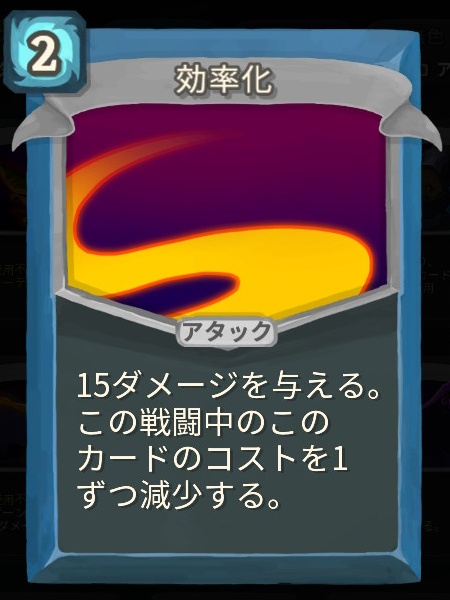
15 damage (20 when upgraded) is slightly underwhelming, but Defect often lacks finishing power, so this is appreciated.
A finisher in Act 1. In Act 3 it’s handy for clearing small enemies.
With Echo Form, it becomes “2 cost, 30 damage (40 upgraded), and cost reduction,” which is plenty strong. Fun.
Leap
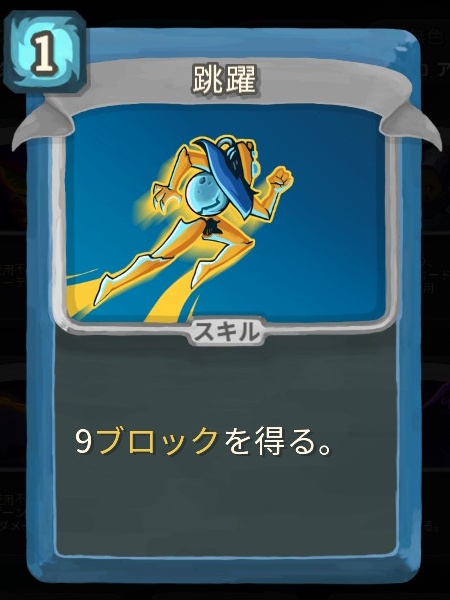
My impression is: “a decent Block card.” If you haven’t been able to pick Block cards, you just take this for now.
In the end, it often becomes your main Block even against the final boss.
Upgrade priority is average to high.
Defragment
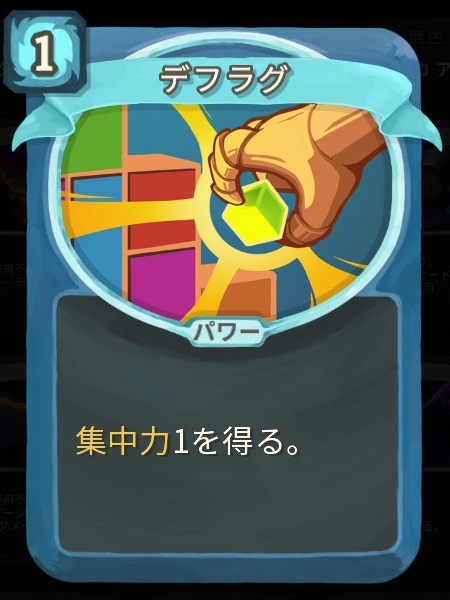
An orb-damage upgrade card. By itself it can feel a bit lacking, but if you’re orb-focused (especially Frost), you pick it.
Upgrade priority is high.
Rip and Tear
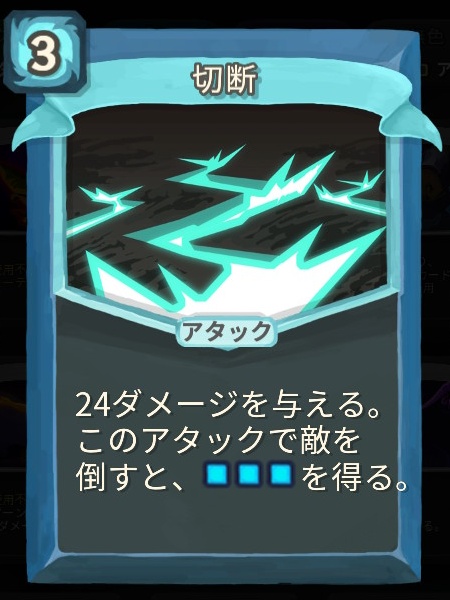
If it works, it’s 0 cost for 24 damage—amazing. But since the base cost is heavy, you often can’t activate it.
It shines against elites/bosses with minions. If you have a way to apply Vulnerable, it can become a sub-weapon for the final boss.
Upgrade priority is high.
Recursion
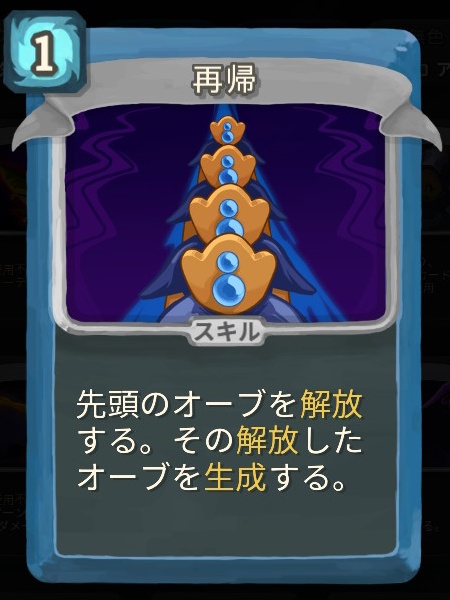
You pick this proactively if you have a Dark deck, or cards whose damage depends on the number of orbs you’ve generated (e.g., Thunder Strike).
Upgrade priority is low—unless you can find a clear role like “grow a Dark orb and then evoke it,” in which case it becomes high. Ideally you want to pick it already upgraded.
Sweeping Beam
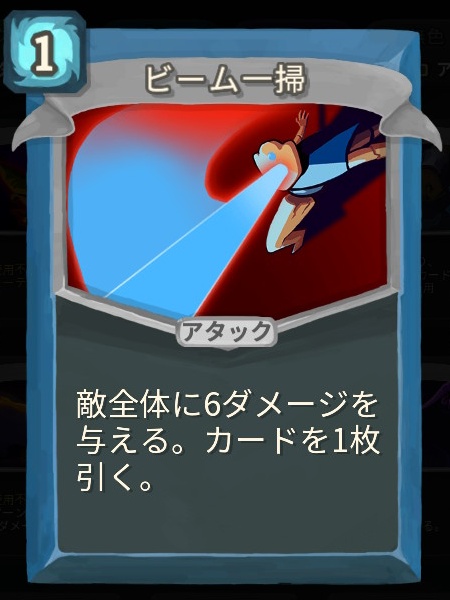
A very usable AoE card. Handy for clearing hallway fights. You’ll often rely on it from Act 1 through Act 2.
Upgrade priority is low.
Tier C
Consume
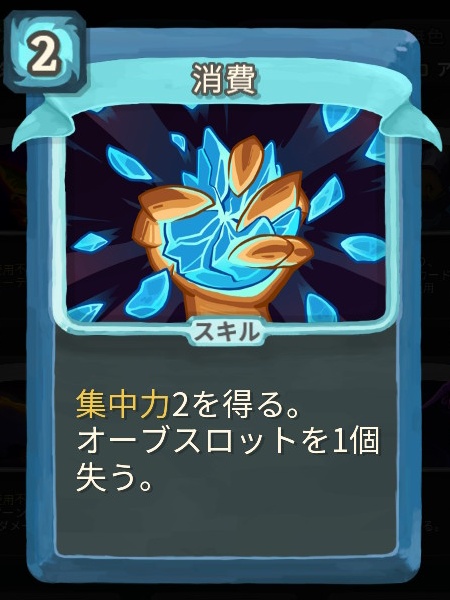
A Focus-boosting card, but the 2 cost is heavy.
The fact that it doesn’t Exhaust can backfire. If you only have 3 orb slots, after two uses it becomes a dead card.
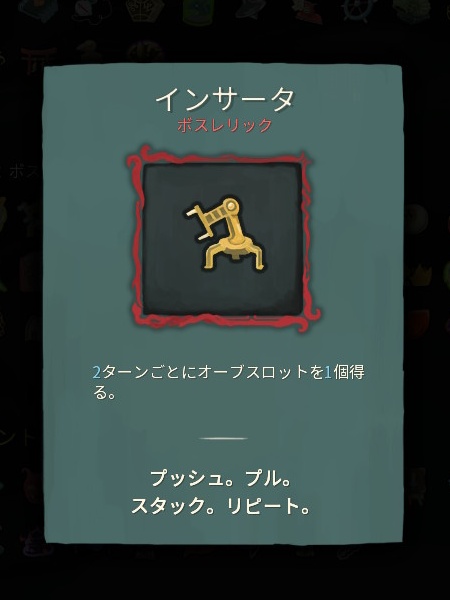
If you have ways to increase orb slots—like Inserter or Capacitor—you can consider picking it. In that case, upgrade priority becomes somewhat high.
Hyperbeam
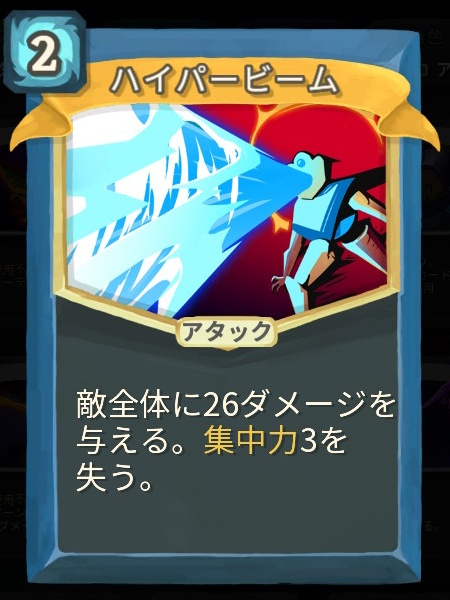
When upgraded, it deals 34 AoE damage. Very strong.
You can steamroll through Act 1 to Act 2, but around the Act 2 boss it becomes hard to rely on just this one card.
You want to pair it with Echo Form or Reprogram. Weakening relics like Vajra-type debuff synergy are also good.
Upgrade priority is high.
Scrape
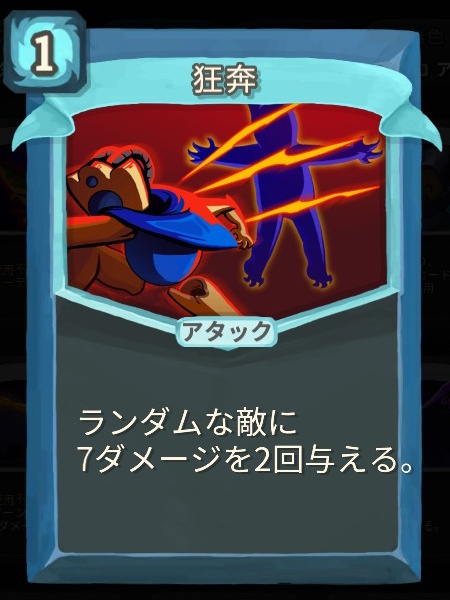
14 damage for 1 energy. Decent damage, but “random” makes it awkward.
If you have a Weak source in Act 1 and no attack cards, you pick it. From late Act 2 onward, you basically don’t.
Upgrade priority is average.
Loop
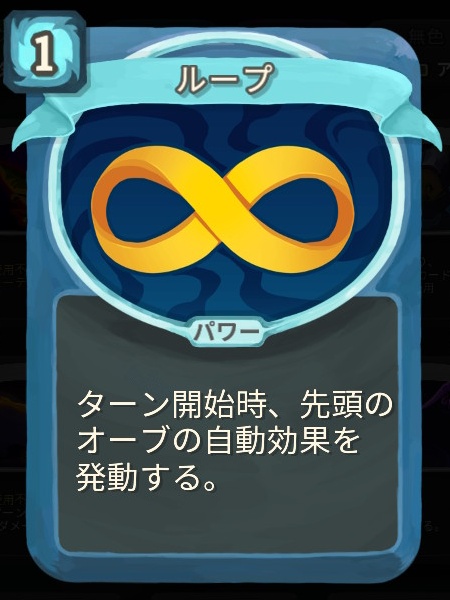
Nice to have, but you can win without it. If you’re Dark-focused, you often pick it.
Upgrade priority is high—upgraded vs. not upgraded makes a big difference.
Rainbow
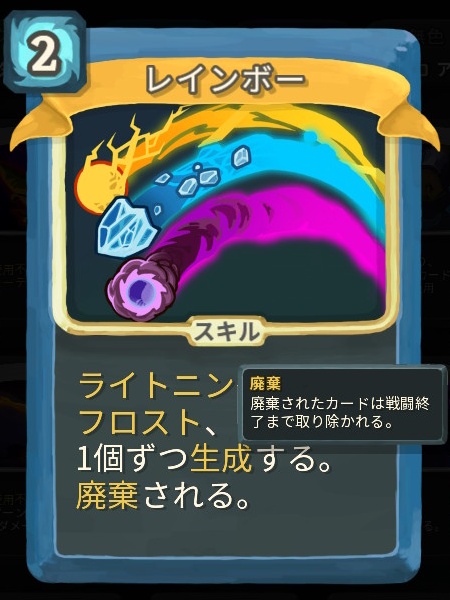
You pick it as a Dark generation method when you don’t have a strong finishing attack.
Or, you pick it when you’re fighting mainly with orbs but you’re short on orb generation cards and can’t evoke orbs consistently.
Upgrade priority depends on your deck. If you have Recursion or other orb generation, it’s low; if not, it’s high.
Electrodynamics
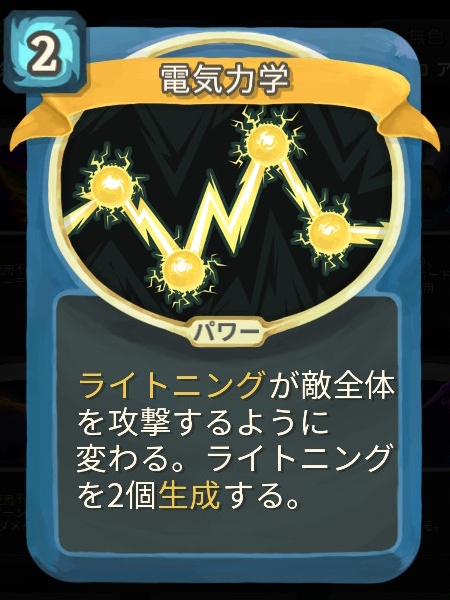
You pick it as AoE. It hits hard in hallway fights, but it doesn’t hit bosses as well, so it’s not “must-pick.”
In Thunder Strike decks or Static Discharge builds, you pick it proactively.
Upgrade priority is low.
Core Surge

A card that grants Artifact once. A companion to Biased Cognition.
It has terrible synergy with Focus-lowering cards like Reprogram, but it can also be used as counterplay to enemies that can deal lethal damage to your deck—like Snecko’s first-turn “randomize costs” style debuff.
Upgrade priority is low.
Buffer
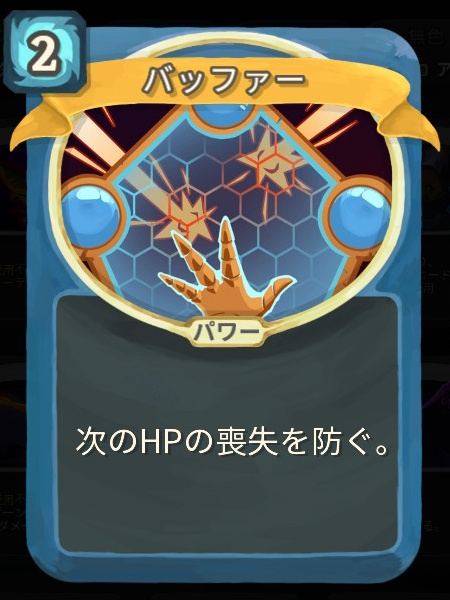
At first glance it looks insanely strong, but Defect is already good at stacking Block, so its opportunities are limited.
You pick it when your deck startup is clearly too slow.
Upgrade priority is low. If you’re picking this, your deck is usually in a weak spot—and there are often other upgrades you should prioritize.
Genetic Algorithm

Love it. If you start growing it from Act 1, it can become 30+ Block for 1 energy, so you pick it if you find it. From Act 2 onward, you don’t pick it.
Upgrade priority is low. It’s not your main Block—it’s a card you raise slowly and patiently.
Zap
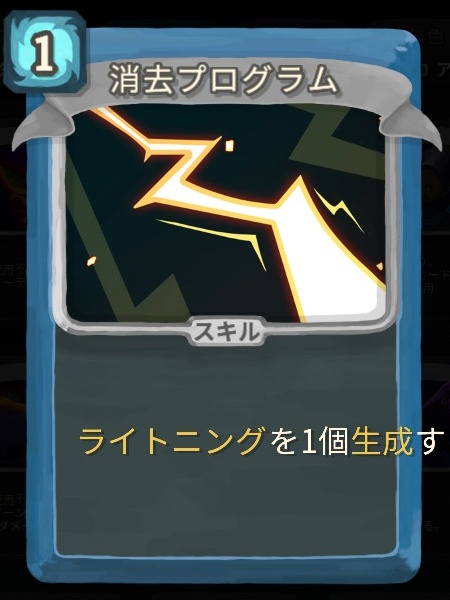
Your main Act 1 attacker and a way to evoke orbs. It ends up being useful more often than you’d think, and stays with you all the way to the final boss.
Upgrade priority is low. In All for One decks it becomes average (since upgrading makes it 0 cost).
Tier D
Creative AI

Power-card gacha #1.
If you picked relics that synergize strongly with Powers—like Mummified Hand or Bird-Faced Urn—you can consider picking this.


If you have a boss relic that gives you 5 energy at the start of the turn, you can also consider picking it.
Upgrade priority is low. If you’re Power-heavy, it becomes average.
White Noise
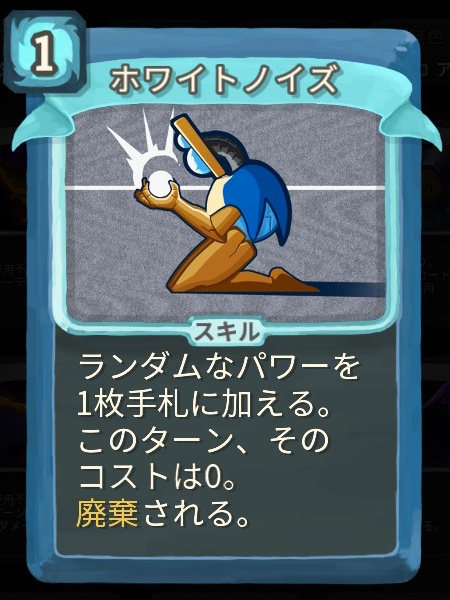
Power-card gacha #2.
Since upgrading makes it 0 cost, you sometimes pick it fishing for strong Powers like Echo Form.
Generally you don’t upgrade it; you pick it already upgraded if possible.
Static Discharge
It’s very hard to play without HP recovery like Self Repair or Bird-Faced Urn, but if you can build a deck around it, it’s very strong.
If you’re Lightning-focused, you pick it.
On the other hand, if you’re Dark-focused, you never pick it.
Upgrade priority is high. If Thunder Strike is your finisher, you usually upgrade this.
FTL
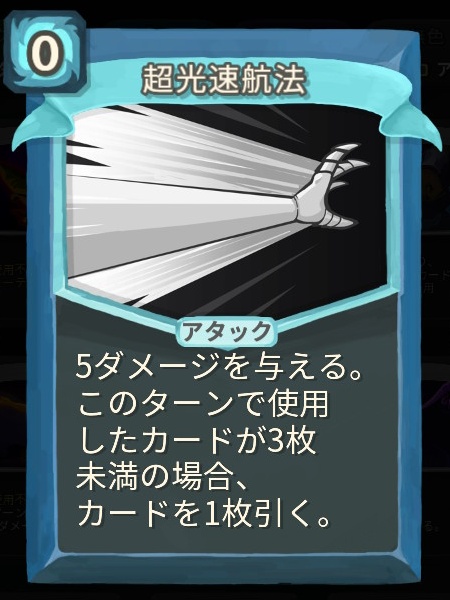
It feels underwhelming when you haven’t decided your deck direction yet, but in All for One decks or Reprogram builds it can shine a lot.
Upgrade priority is low.
Fission

It looks like a strong energy + draw card… but:
– It’s meaningless unless you have lots of orbs. But having lots of orbs usually means your orb-based offense/defense is already good.
– It’s awkward if you’re in the middle of growing a Dark orb.
So it ends up having fewer chances to shine than you’d expect.
My impression is that it’s used to kick-start decks that don’t rely on orb damage—like Frost + Claw decks or Reprogram decks.
Upgrade priority is low. When you’re starting your deck engine, you don’t need to evoke orbs.
Tier E
Recycle
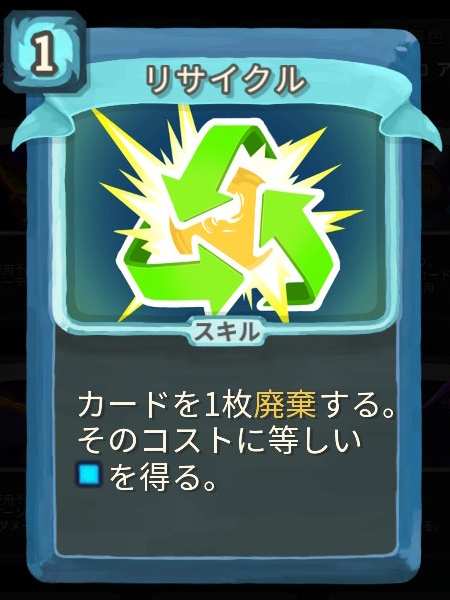
Sometimes you pick it when you haven’t removed enough starter cards like Strike/Defend. In Infinite builds, you might also pick it and upgrade it.

It can also be used to build infinite combos, but its use cases are limited.
Upgrade priority is somewhat high.
Chaos
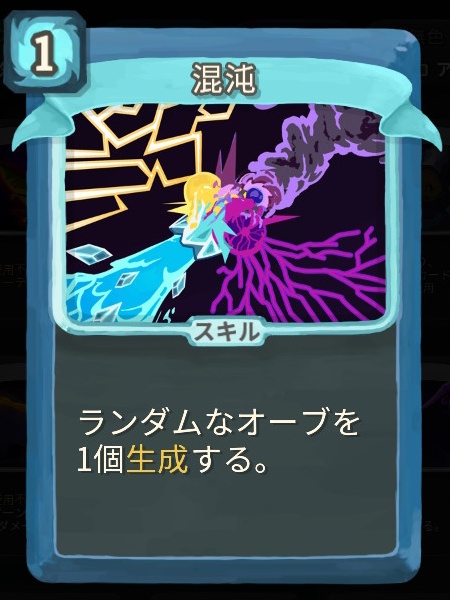
When unupgraded Chaos generates Lightning, it’s basically the same as the starter card Zap. Sad.
You pick it when you’re short on orb cards and it’s hard to evoke orbs.
If you find an upgraded one and can give it a role, you pick it.
Fusion
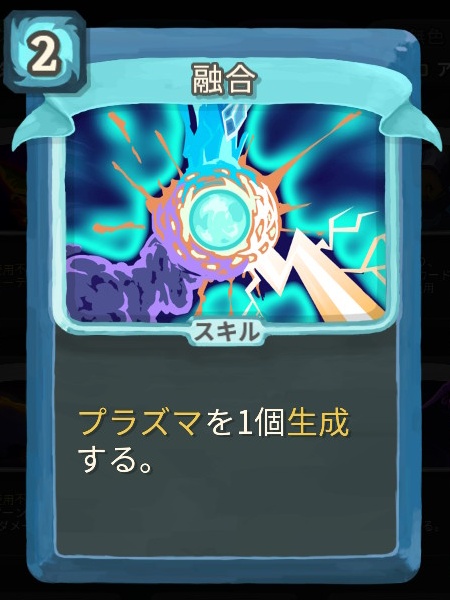
A card you don’t really want to spend 2 energy on. Since it only improves the next turn rather than the current turn, it feels inconvenient.
You consider picking it in Meteor Strike builds or Tempest builds.
Upgrade priority is average.
Force Field

A companion for Power decks. If you have 2+ Powers and your Block is insufficient, you might pick it… sometimes.
It became my main Block maybe three times during the 100-win streak.
Upgrade priority is average. If you’re using it as main Block, it becomes high.
Double Energy
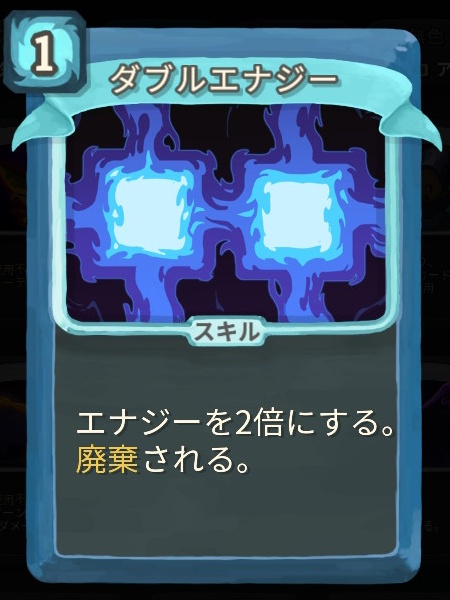
A companion for Tempest (the card that generates X Lightning).
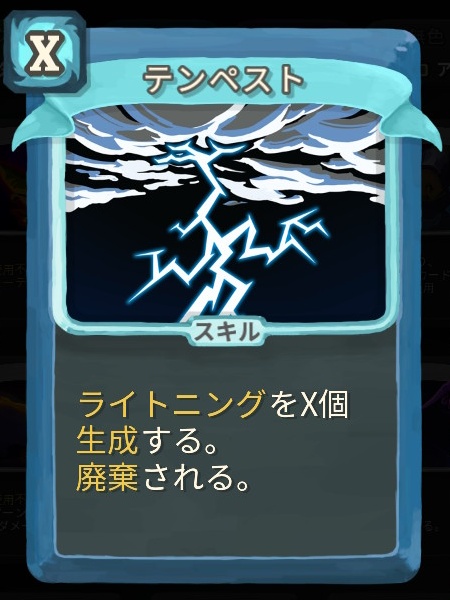
If you only start the turn with 3 energy, and it’s not upgraded, it only becomes 4 energy. As an energy engine, Turbo or Aggregate are easier to use.
Upgrade priority is average. In decks where energy directly converts into damage—like Tempest or Meteor Strike—it becomes high.
Stack
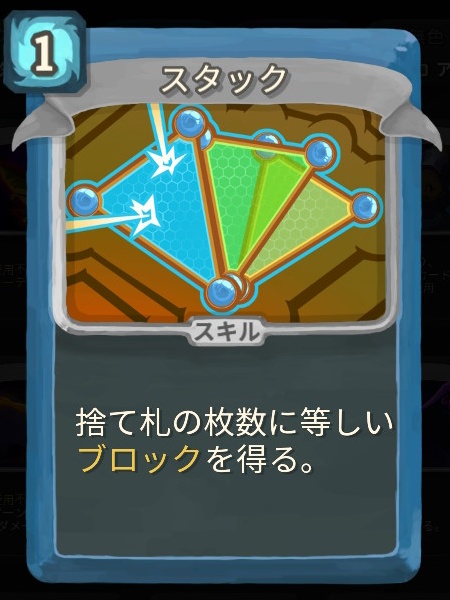
A companion for Hello World.
It makes you sad when you have no discard pile. Pain.
When your deck gets bloated—like with Hello World—it shines.
If you’re using it as main Block, upgrade priority is high. Usually it’s low.
Tempest
If you have ways to gain extra energy, it can become a finisher. Firing it after saving up a ton of energy feels amazing.
If you’re on a Thunder Strike plan, you pick it.
Upgrade priority is average.
Defend
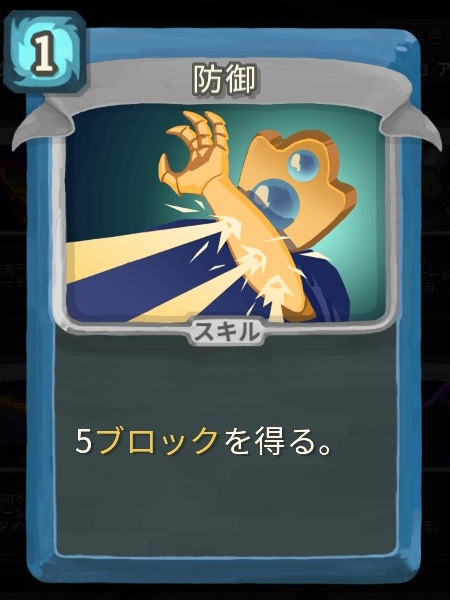
Starter card. For Defect, defense is crucial—so this ranks higher than Strike.
Upgrade priority is low.
Storm
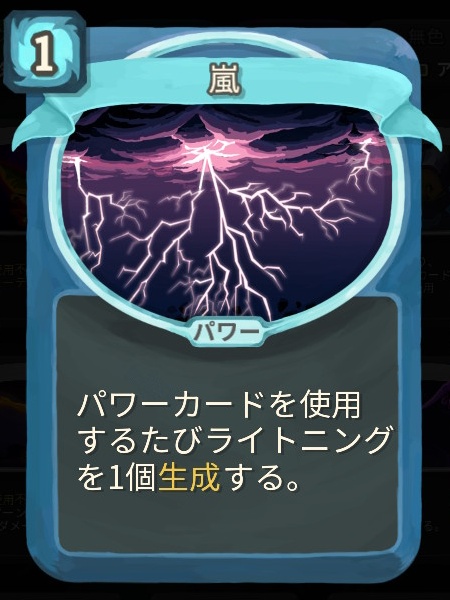
You consider picking it when you have 3+ Power cards.
Upgrade priority is average.
This is the card for when it’s either “POWER FESTIVAAAL!!!” or “Who needs damage!? LIGHTNING FESTIVAAAL!!!”
Barrage
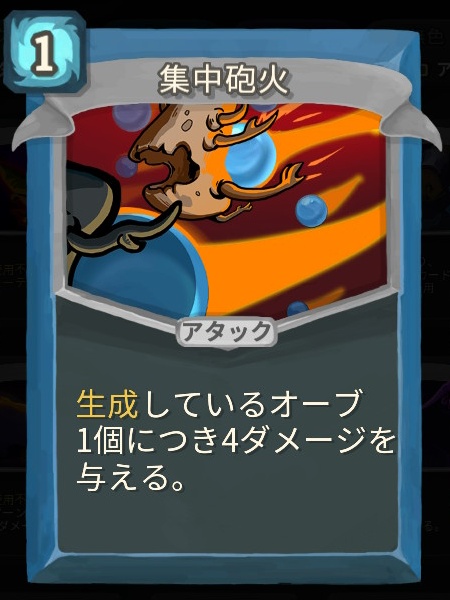
Even with your orb slots full, it’s only 12 damage for 1 energy at base. Underwhelming.
If you don’t have attack cards in Act 1, you pick it.
Upgrade priority is high.
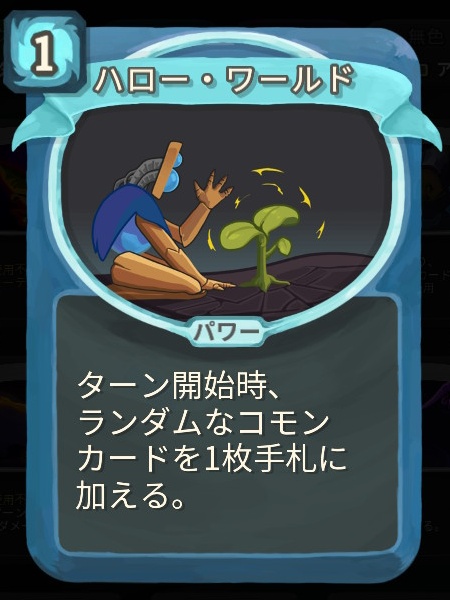
Hello World
Card gacha: you get 1 card into your hand.
When you’re like, “My attacks and blocks are both mediocre—I can’t win!!!” you might pick it as an emergency card.
Since it’s effectively like drawing 1 extra card, it can sometimes help—but it’s a deck crusher, so you rarely pick it.
Upgrade priority is low.
Capacitor

It makes it harder to push orbs out, so it increases the chance of accidents.
You pick it when you have many ways to generate more orbs, or when you have Consume.
Upgrade priority is low.
Tier F
Heatsinks

A key card for Power builds, but since it does nothing without Powers, you rarely pick it.
Every time I see this card, I think: what’s going on with that back?
Upgrade priority is average.
Scrape

*Note: the image above is outdated. Currently it’s 7 damage and draw 4; upgraded it’s 10 damage and draw 5.*
This card only truly shines in Claw decks. Its useful situations are extremely limited.
It feels awful when your needed cards get tossed into the discard pile.
If you accidentally over-picked cards, you might take it for deck compression.
Upgrade priority is high.
Strike

Starter card. One of the first candidates for removal.
Only in Reprogram decks does it become a top-tier card. Upgrade priority is the lowest.
Blizzard
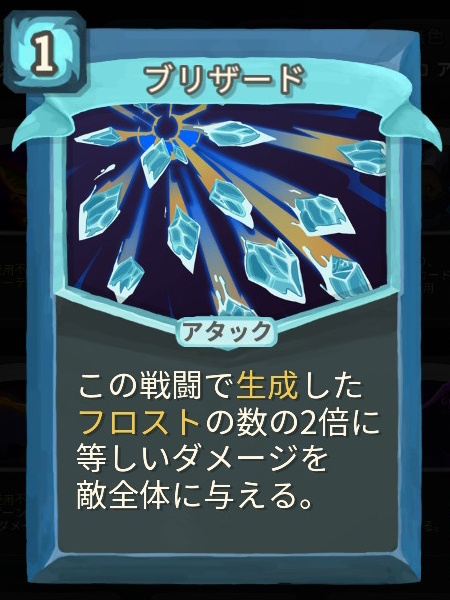
Upgraded it deals triple damage. Since ways to generate Frost are limited, it doesn’t deal as much damage as you’d expect.
It often ends up being a worse Sweeping Beam.
During the 100-win streak, I don’t remember making this card shine even once. Sorry…
Upgrade priority is (probably) high. But it’s hard to make it your main plan.
Tier G
Meteor Strike
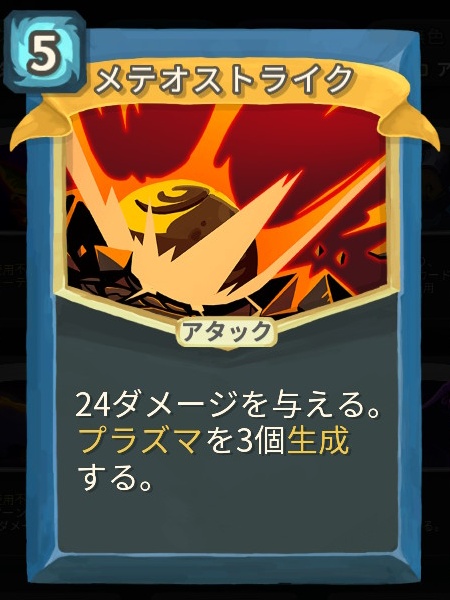
Heavy. Way too heavy. Less than 5 damage per energy. Worse than the starter Strike.
If you get a rare card from Neow’s blessing and it’s Meteor Strike, it becomes a top candidate for removal.
Honestly, it’s so underpowered that I love it.
With careful care, you can still clear runs with it.

The end.